
We were up at 5:00am for coffee and rusks before heading out on our morning game drive. Last night the river bed in front of our camp was dry, this morning it was a flowing river due to the heavy rain two days earlier.
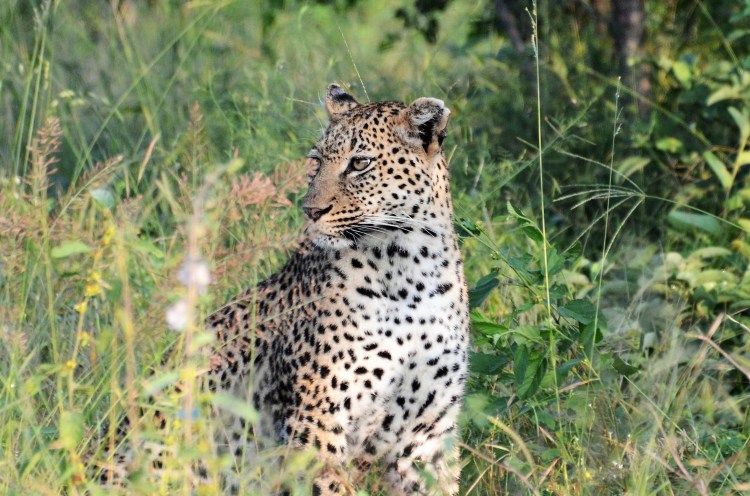
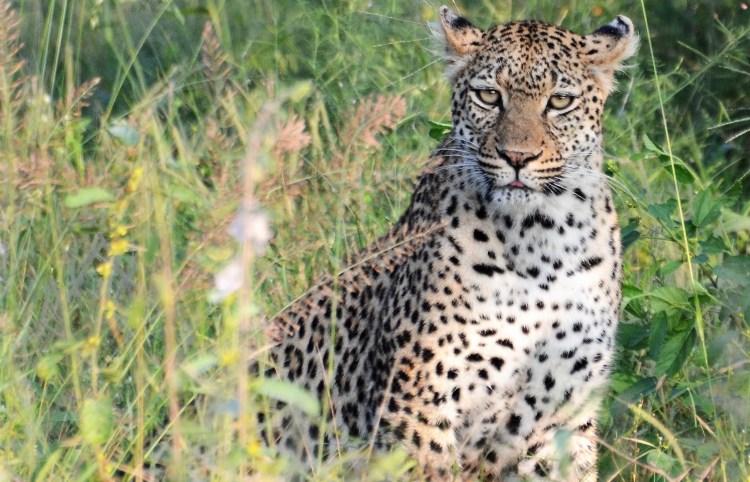
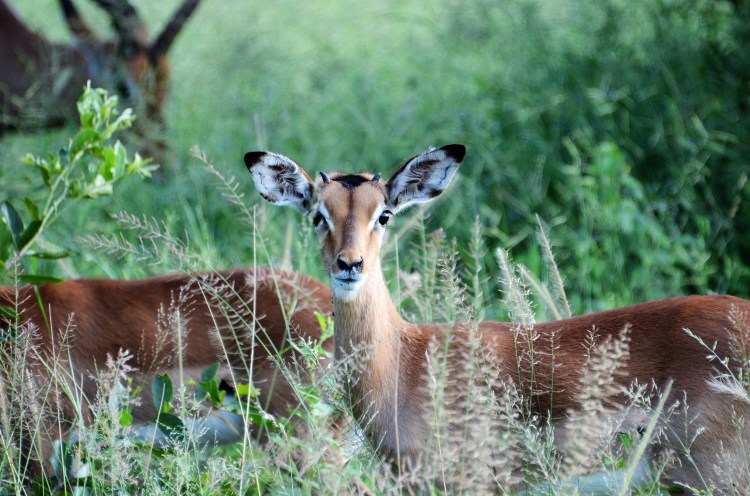
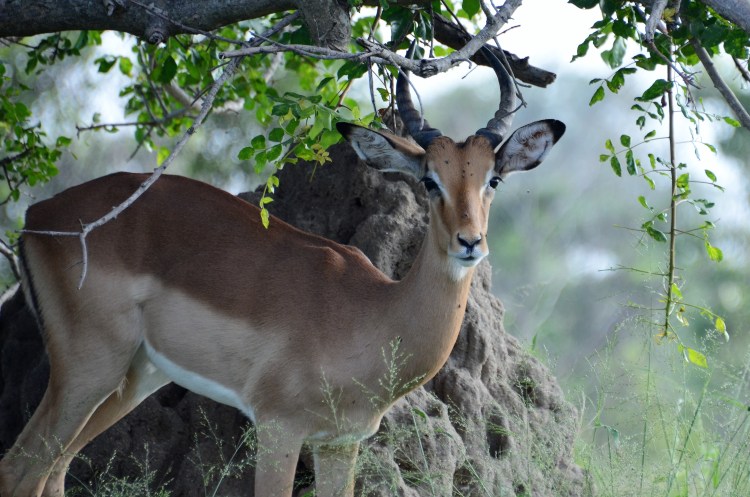
It was a productive morning but this gives you an idea how difficult it was to spot game due to thick high grass.
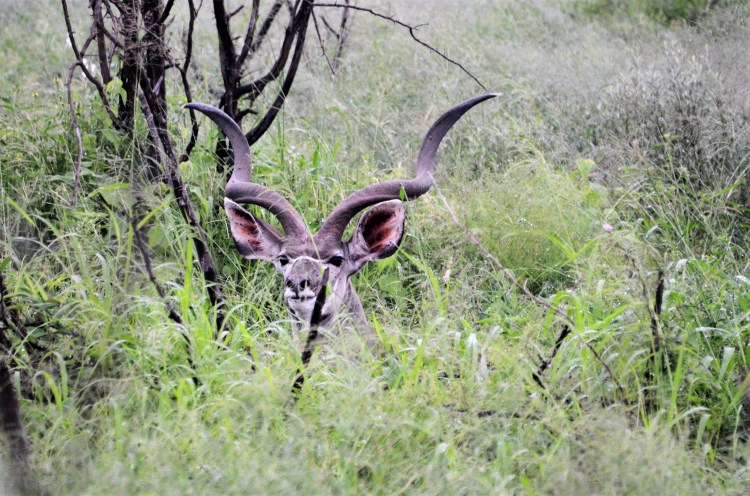
Male Kudu
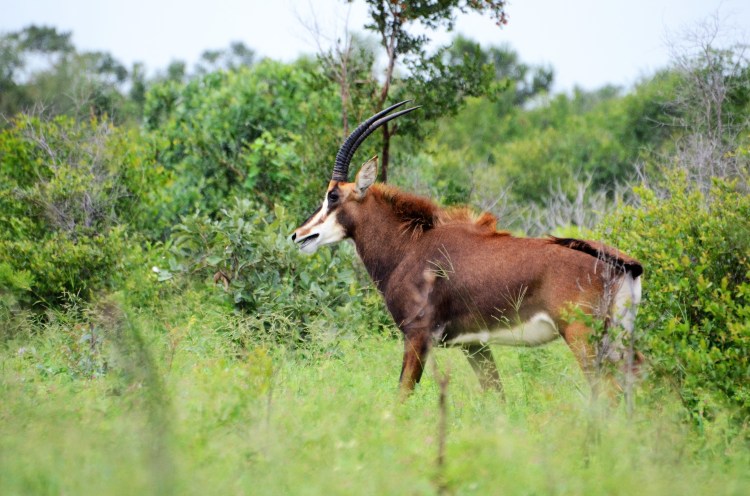
A Sable that was there and then gone!


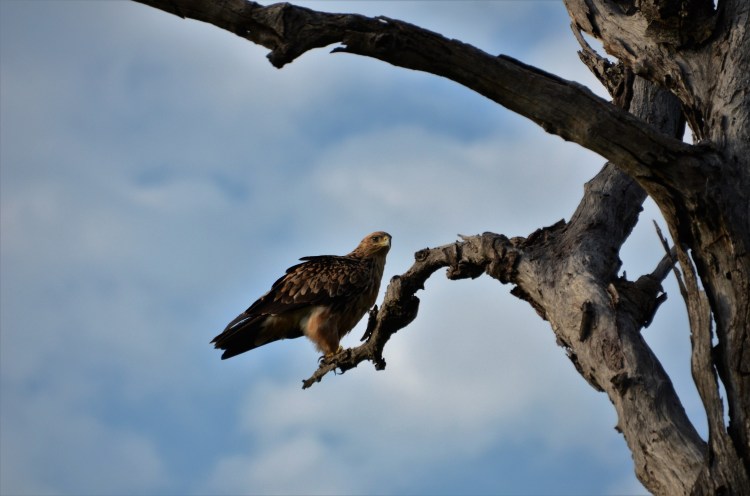
Snake Eagle


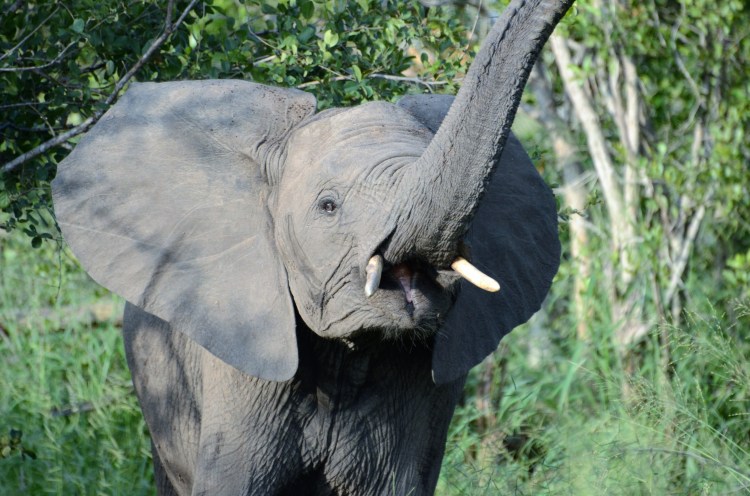





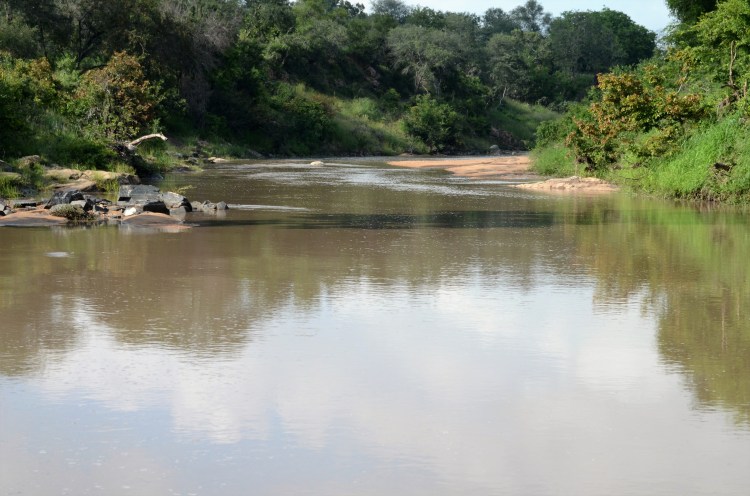
This was a dry river bed for 2 years up to a couple of months ago
Next up was a pair of copulating lions. Lions have very high copulation rates. The female may mate approximately every 15 minutes when she is in heat for three days and nights without sleeping, and sometimes with five different males. This often leads to physical exhaustion of males when only a one or two are involved. Males periodically sniff female reproductive organs for signs of oncoming estrus and if these signs are detected, they will follow a female until she is ready to mate. Females may signal their interest in mating with elaborate tail movements and by “walking sinuously past” a male. “Oral sex” occurs as foreplay-female lions may lick and rub the male’s genitals. When the African lion female has gotten the male’s attention, she crouches into the mating position, her belly pressed to the ground and tail to one side, and copulation occurs for five to twenty seconds. During mating males often bite the female at the nape of her neck and the act often ends with the female snarling with bared teeth at the male.

Enter a caption
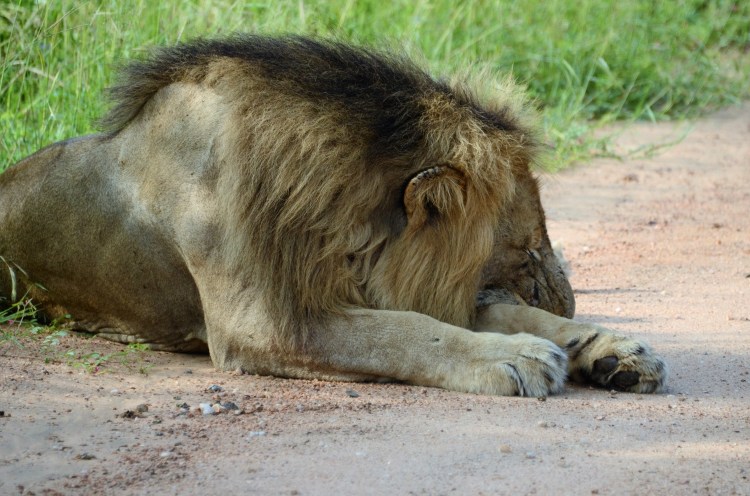
Exhausted
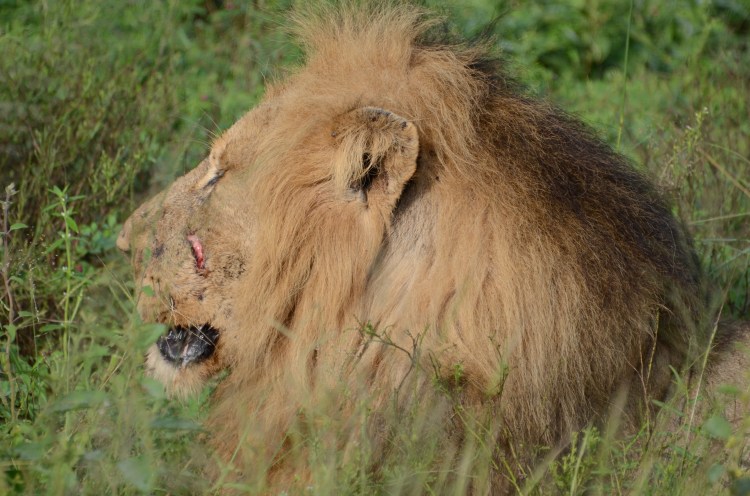
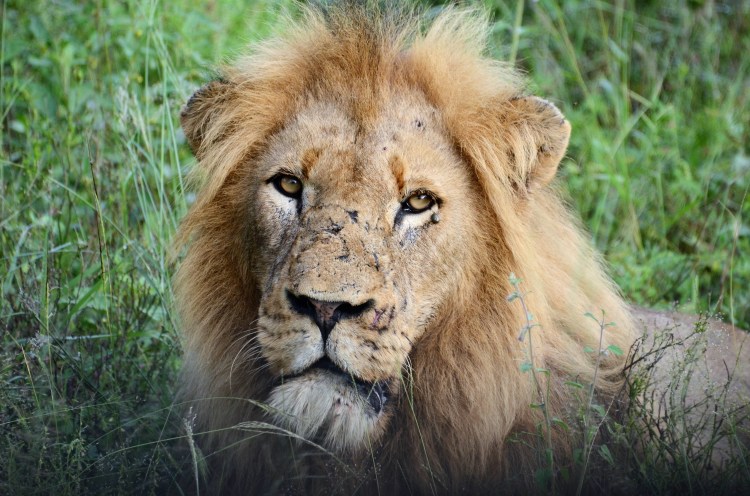
Well that was quite the morning and to top it off we had our first cell signal when we stopped for coffee. 🙂

And walking down he path was……
Didn’t expect to see this little fellow.
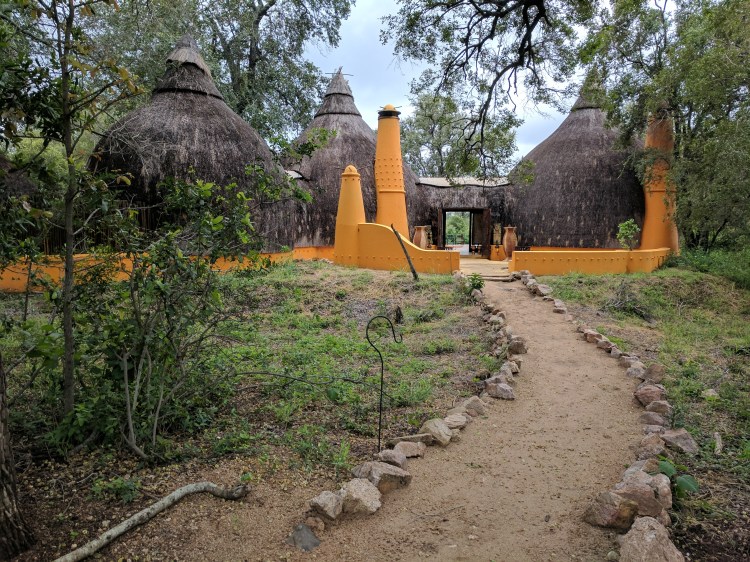
Arriving back at camp for breakfast.
The motley crew ready for our afternoon game drive.



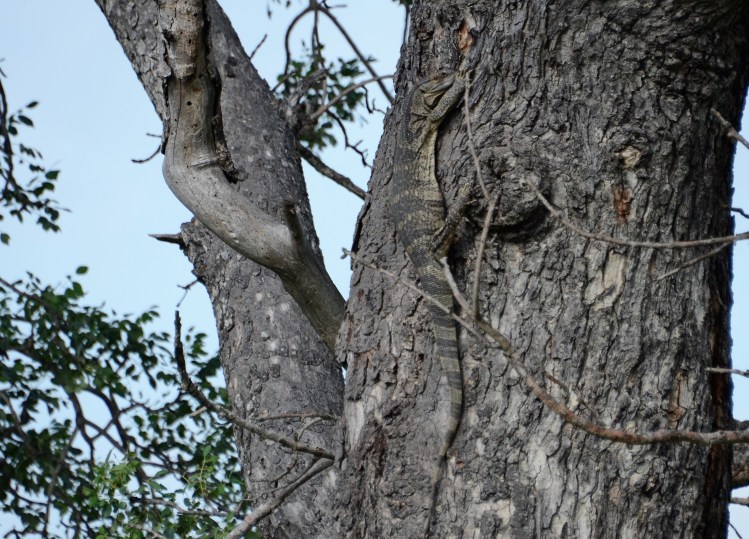
Can you believe that our guide spotted this from our moving vehicle?
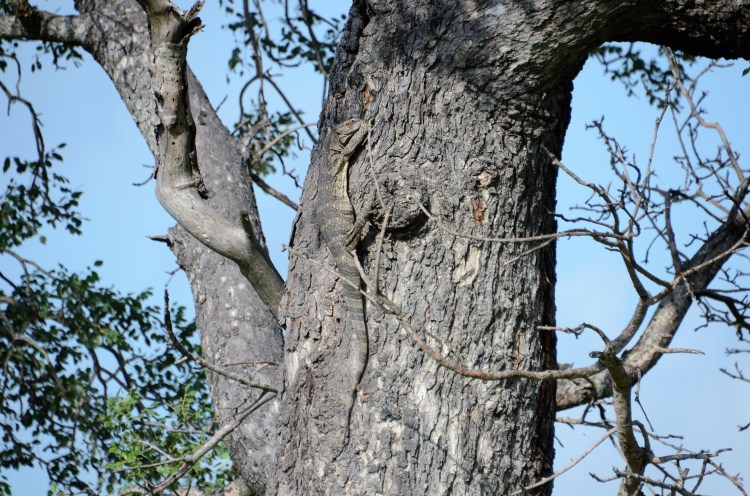
We were 30m away.
And a dung beetle hard at work. When Dung beetles carry or roll the dung away, they do so primarily to feed their young. Dung beetle nests are provisioned with poop, and the female usually deposits each individual egg in its own tiny dung sausage. When the larvae emerge, they are well-supplied with food, enabling them to complete their development within the safe environment of the nest.
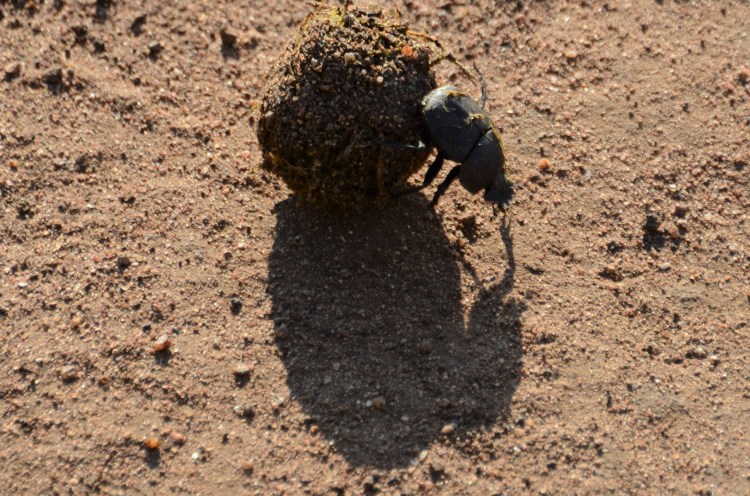
When it comes to poop, the fresher the better (at least from the dung beetle perspective)
Once a dung patty has dried out, it’s less palatable to even the most dedicated poop eater. So dung beetles move quickly when an herbivore drops a gift in the pasture. One scientist observed 4,000 dung beetles on a fresh pile of elephant scat within 15 minutes after it hit the ground, and shortly thereafter, they were joined by an additional 12,000 dung beetles. With that kind of competition, you have to move quick if you’re a dung beetle.With so many dung beetles vying for the same pile of poop, a beetle needs to make a quick getaway once he’s rolled his dung ball. But it’s not easy to roll a ball of poop in a straight line, especially when you’re pushing your ball from behind using your hind legs. So the first thing the dung beetle does is climb atop his sphere and orient himself.
Scientists had long observed dung beetles dancing on their poo balls and suspected they were looking for cues to help them navigate. New research confirmed that at least one species of African dung beetle, Scarabaeus satyrus, uses the Milky Way as a guide to steering its dung ball home. The researchers placed tiny hats on the dung beetles, effectively blocking their view of the heavens, and found the dung beetles could only wander aimlessly without being able to see the stars. Couldn’t resist passing on this little bit of knowledge, it may help in a game of trivia.


Now time for sundowners.




A wonderful day and then we were treated to a fun evening of entertainment with our hosts.


 sa2017site.com
Awesome work on the blog Doug!
LikeLike